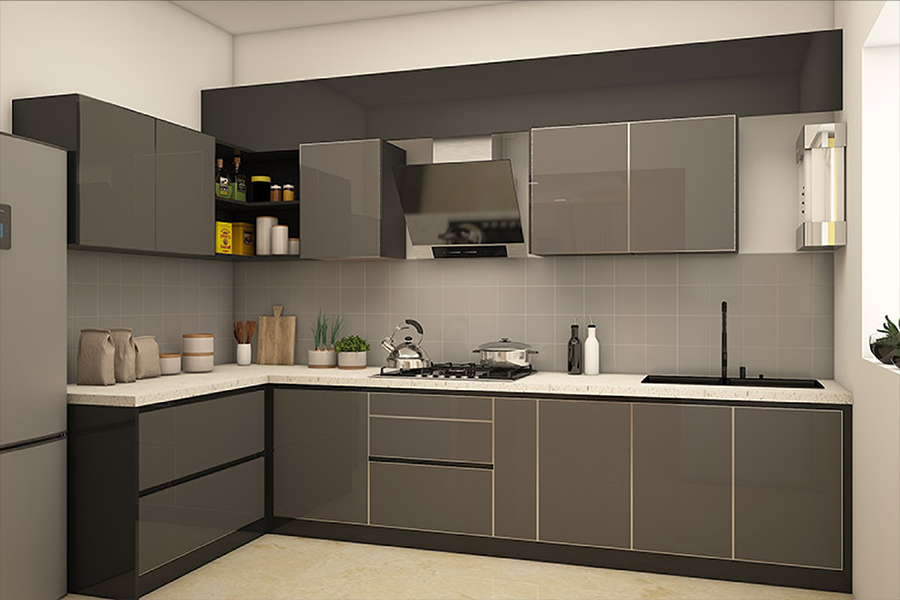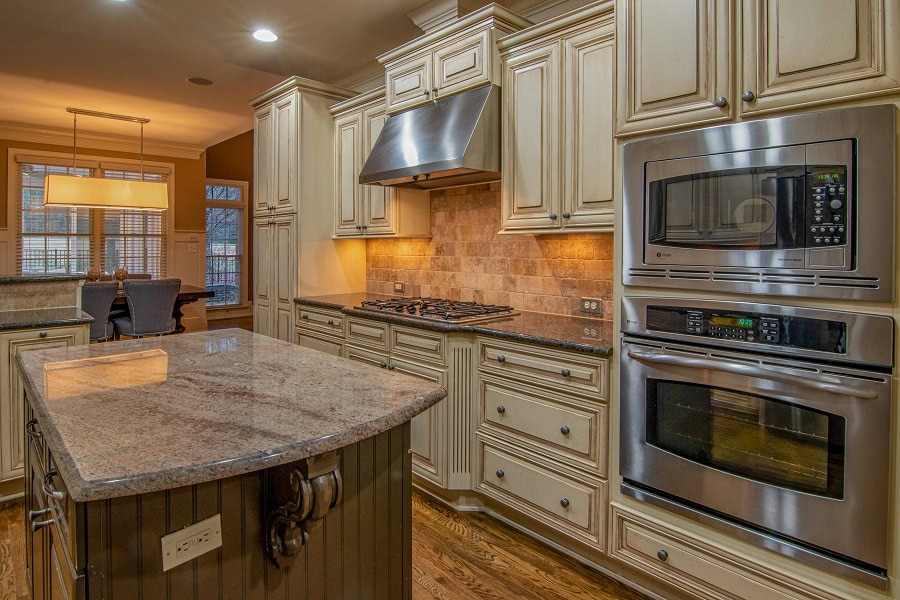

The kitchen is the heart of the home, and for every home chef, having a functional kitchen layout is essential. A well-designed kitchen not only enhances efficiency but also makes cooking a more enjoyable experience. Whether you’re designing a new kitchen or renovating an existing one, creating a layout that suits your needs is key. This article will provide you with practical tips on how to create a functional kitchen layout that meets the demands of every home chef.
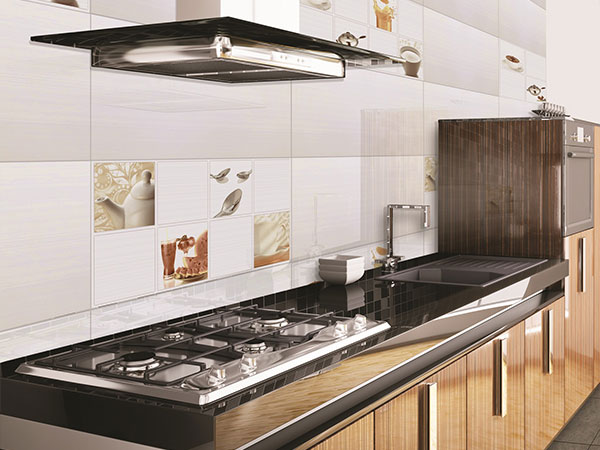
- Consider the Work Triangle
The work triangle is a classic kitchen design principle that connects the three main work areas: the stove, the sink, and the refrigerator. The idea is to minimize the distance between these points to enhance efficiency and reduce unnecessary movement.
Optimizing the Work Triangle
- Placement: Ensure that the stove, sink, and refrigerator are positioned within easy reach of each other, ideally forming a triangle. The total distance between these three points should be between 12 to 26 feet to allow for easy movement.
- Obstruction-Free Pathways: Keep the pathways between these points clear of obstructions, such as kitchen islands or bulky furniture, to allow for smooth movement.
- Balanced Spaces: Avoid placing appliances too close together, as this can make the kitchen feel cramped. A balanced work triangle promotes a more comfortable cooking environment.
- Maximize Storage Space
Adequate storage is crucial in a functional kitchen. It reduces clutter, keeps your tools and ingredients organized, and makes it easier to access everything you need while cooking.
Effective Storage Solutions
- Use Vertical Space: Take advantage of vertical storage by installing tall cabinets that reach the ceiling. Use upper cabinets for storing items you don’t use daily, such as specialty cookware or seasonal dishes.
- Install Drawers: Drawers, especially deep ones, are more convenient than traditional cabinets for storing pots, pans, and utensils. They allow for easy access and better organization.
- Incorporate Pull-Out Shelves: Pull-out shelves or racks inside cabinets can help you reach items at the back without having to remove everything in front.
- Ensure Proper Lighting
Lighting is often overlooked, but it plays a critical role in the functionality of a kitchen. Good lighting not only illuminates your workspace but also enhances the overall ambiance of the kitchen.
Layered Lighting Strategy
- Task Lighting: Install task lighting under cabinets or over the countertop areas where you prepare food. This ensures that you have sufficient light for chopping, mixing, and cooking.
- Ambient Lighting: Overhead lights or ceiling fixtures provide general illumination for the entire kitchen. Choose energy-efficient LED lights for brightness and longevity.
- Accent Lighting: Use accent lighting to highlight architectural features or decorative elements, such as a backsplash or open shelving. This adds depth and visual interest to the kitchen.
- Plan for Ample Counter Space
Counter space is vital in a kitchen, especially for home chefs who enjoy preparing elaborate meals. Sufficient counter space allows you to spread out your ingredients, prep multiple dishes simultaneously, and keep appliances handy.
Maximizing Counter Space
- Extend Countertops: If possible, extend the countertops along the walls or incorporate a kitchen island to provide additional workspace.
- Use Multi-Functional Surfaces: Consider installing a butcher block or a marble countertop that doubles as a prep area and a cutting board.
- Keep It Clutter-Free: Avoid overcrowding your countertops with appliances or decorative items. Store small appliances in cabinets or on shelves to free up space for cooking.
- Incorporate Efficient Workflow Zones
Dividing your kitchen into specific zones can enhance efficiency by keeping related tasks and tools in close proximity. This concept is particularly useful in larger kitchens or for those who enjoy cooking complex meals.
Creating Workflow Zones
- Prep Zone: Set up a prep zone near the refrigerator and sink, with easy access to knives, cutting boards, and mixing bowls.
- Cooking Zone: Position your stove and oven in the cooking zone, with nearby storage for pots, pans, and spices.
- Cleaning Zone: The cleaning zone should include the sink, dishwasher, and trash cans, with easy access to cleaning supplies and dishware storage.
Conclusion
Creating a functional kitchen layout is essential for every home chef who wants to enjoy a smooth and efficient cooking experience. By considering the work triangle, maximizing storage, ensuring proper lighting, planning for ample counter space, and incorporating workflow zones, you can design a kitchen that meets your culinary needs. A well-organized and thoughtfully designed kitchen not only makes cooking easier but also enhances the overall enjoyment of spending time in the heart of your home.