
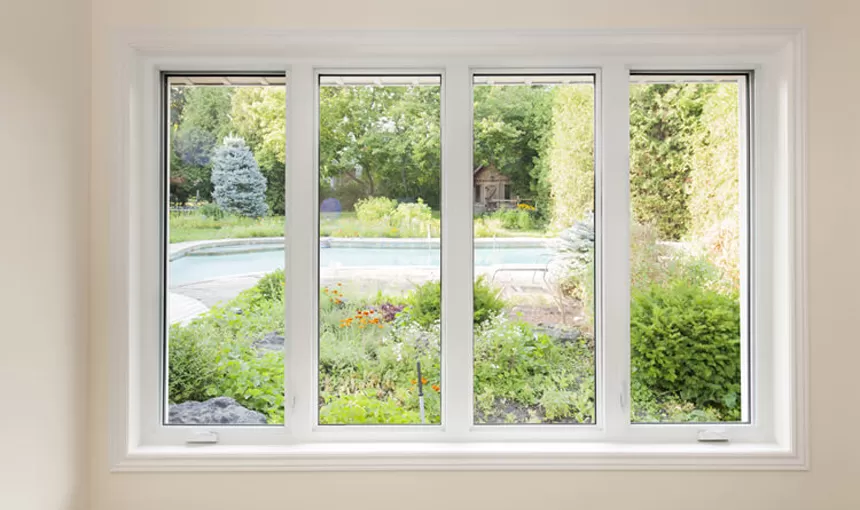
Windows, often considered the “eyes” of a home, play a crucial role in its functionality, energy efficiency, and aesthetic appeal. If your current windows are aging, damaged, or no longer meeting your needs, it may be time to consider a replacement. But how do you decide whether to replace your louver, casement, or hung windows?
This blog explores the signs, benefits, and considerations around window replacement and explains why casement windows might be the best choice if you’re prioritizing energy efficiency, modern design, and enhanced functionality.
Signs You Need to Replace Your Windows
Regardless of the type of windows your home currently has, the following signs may indicate it’s time for a replacement:
- Drafts: Are you noticing uneven temperatures or cold air sneaking indoors? Non-insulated windows might be the culprit.
- Rising Energy Bills: Aging windows, especially single-pane or damaged ones, can increase heating and cooling costs due to poor insulation.
- Visible Damage: Cracks, warping, or moisture trapped between panes are clear signs your windows are past their prime.
- Difficulty Operating: Struggling to open or close your windows properly can be caused by damage to the frame or mechanism.
- Outdated Style: If your windows no longer match your home’s aesthetic, modern replacements can significantly improve its visual appeal and resale value.
Why Replace Your Windows?
Replacing your windows comes with several benefits:
- Improved Energy Efficiency: Modern windows (particularly casement windows) are designed to reduce heat loss and gain with features like airtight seals and advanced glass technology.
- Enhanced Functionality: Whether it’s easier operation or better ventilation, replacement windows are designed to deliver superior use compared to older versions.
- Aesthetic Upgrade: Swapping old designs for new ones can instantly transform your home’s curb appeal.
- Increased Value: Energy-efficient, functional, and stylish windows are appealing to prospective buyers and can increase your property value.
Casement Windows: Are They the Right Replacement Choice?
If your current windows are louver or hung styles, switching to casement windows may offer a variety of upgrades that address both aesthetic and functional needs. Let’s explore why replacing old windows with casement windows can be a smart decision.
- Superior Energy Efficiency
Casement windows are among the most energy-efficient window types available. Their tight seal when closed prevents drafts and significantly reduces heat transfer. This makes them ideal for keeping your home cozy in the winter and cool in the summer.
Comparing Efficiency:
Louver Windows: Louver windows allow airflow but are not airtight, making them far less efficient for climate control.
Hung Windows: Hung windows offer moderate insulation but can develop gaps over time due to wear and tear.
Casement windows, in contrast, provide top-notch performance with features like double- or triple-pane glass and Low-E coatings for reduced energy usage.
- Modern Design and Aesthetic Appeal
If your current windows look outdated or no longer complement your home’s style, casement windows can provide a sleek, contemporary upgrade. Their clean lines and large glass panes work well in modern, minimalist, and even transitional interior designs.
Customization Benefits:
Choose materials like aluminum, fiberglass, or sustainably sourced wood for a tailored look.
Options for clear panes, divided grids, or oversized formats provide flexibility to create statement pieces.
Comparing Designs:
Louver Windows: Often seen in tropical or retro-style homes but may feel out of place in modern designs.
Hung Windows: Timeless but less customizable than casement windows; they’re best suited for traditional and colonial styles.
- Improved Functionality
One major advantage of casement windows is their ease of use. Operated via a crank, casement windows swing open outward, allowing full use of the glass area for ventilation.
Functional Upgrades:
Increased ventilation: Ideal for kitchens and bathrooms, casement windows allow more airflow compared to fixed or smaller window types.
Easy operation: Perfect for hard-to-reach places such as above counters.
Comparing Functionality:
Louver Windows: Great for ventilation but often lack security features due to their open slat design.
Hung Windows: Double-hung versions allow both sashes to slide, but they don’t offer as much ventilation as casement windows.
- Longevity and Durability
If your current windows are showing signs of wear—whether it’s warped frames or difficulty opening—casement windows offer unmatched durability and lifespan. Modern designs use strong materials like vinyl, fiberglass, and aluminum that resist weather damage and wear.
Maintenance Benefits:
Casement windows are relatively easy to clean and maintain due to their simple structure.
Choose corrosion-resistant materials for humid or coastal climates to prevent long-term issues.
Comparing Lifespan:
Louver Windows: Louver windows may require frequent maintenance due to their movable slats and open design.
Hung Windows: Hung window mechanisms can degrade over time, leading to difficulty sliding.
Should You Replace Louver or Hung Windows with Casement Windows?
Louver Windows
While louver windows are great for ventilation, their efficiency, security, and modern aesthetics often fall short for most homeowners. Replacing them with casement windows is ideal if you’re looking for better insulation, a more secure design, and a sleek, contemporary look.
Hung Windows
Hung windows are classic, but if you want improved energy efficiency or enhanced airflow, casement windows are worth considering. They’re especially helpful for spaces where natural ventilation and visibility are preferred.
Why Casement Windows Are the Best Replacement Choice
Without question, casement windows offer impressive benefits compared to other window types. Here’s why they could be the best investment for replacing older designs:
Energy Efficiency: Tight seals and Low-E glass keep your home insulated and comfortable year-round.
Modern Look: Large glass panes and slim frames provide a fresh, stylish aesthetic.
Versatility: Their adaptable design fits seamlessly into most home styles, from contemporary to rustic.
Durability: Long-lasting materials ensure that casement windows stand the test of time.
Cost Savings: Reduced energy bills and fewer maintenance needs mean casement windows are a smart long-term investment.
Is It Time to Replace?
Replacing your windows is a significant upgrade, but it’s also an opportunity to improve your home’s performance and design. While aluminum louver and aluminum hung windows have their merits, aluminum casement windows provide the highest level of energy efficiency, functionality, and modern appeal.
About the Author


